
Effective Leadership: Characteristics and Strategies
Leadership is the ability to inspire, influence, and guide individuals or groups towards achieving a common goal. Effective leaders possess certain qualities and utilize specific strategies to achieve their objectives. In this article, we will explore the key characteristics of effective leadership and the strategies that successful leaders use to lead their teams to success.
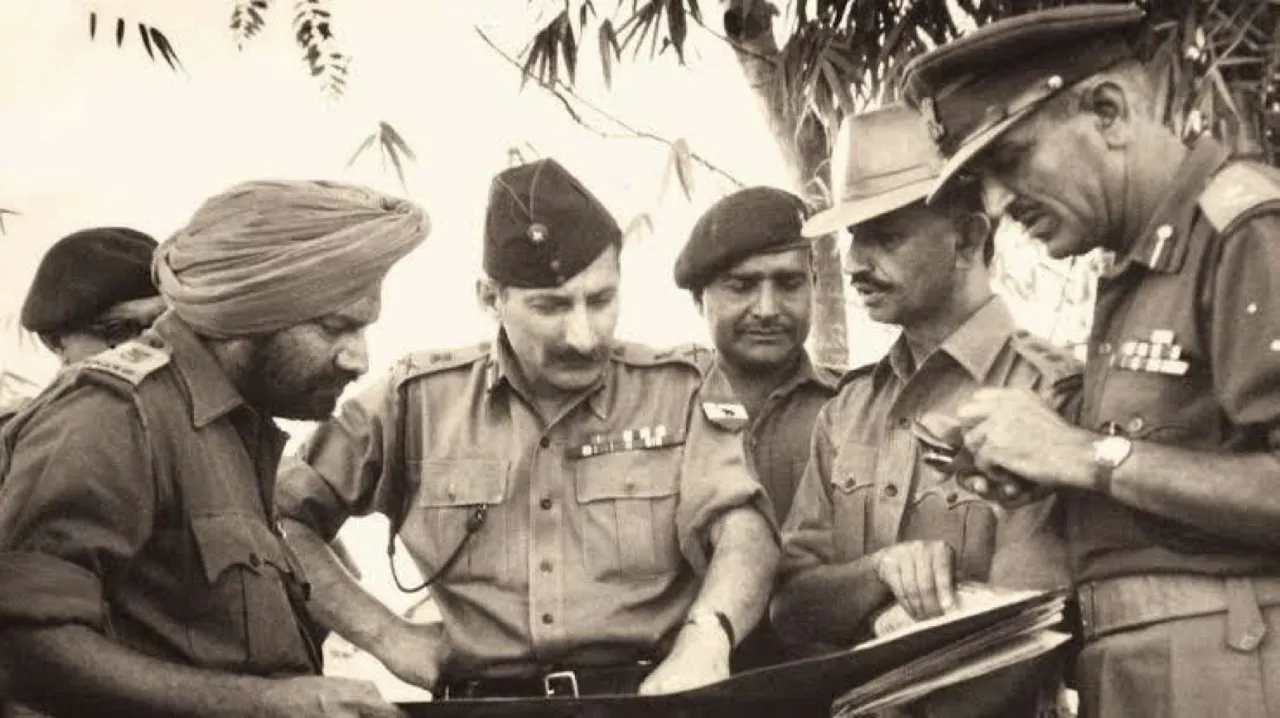
Key Characteristics of Effective Leadership:
- Vision: A leader should have a clear and compelling vision for the future that inspires and motivates their team. A vision provides direction and purpose, and helps individuals understand their role in achieving the desired outcome.
- Empathy: An effective leader should be able to put themselves in their team’s shoes and understand their concerns, challenges, and motivations. Empathy helps to build trust, rapport, and respect, and fosters a collaborative and supportive work environment.
- Communication: Communication is crucial for effective leadership. Leaders should be able to convey their ideas clearly and concisely, actively listen to feedback, and encourage open communication among team members.
- Accountability: Leaders should take responsibility for their actions and decisions, and hold themselves and their team members accountable for meeting their goals and objectives. This promotes a culture of ownership and responsibility, and fosters a sense of pride and accomplishment.
- Adaptability: Effective leaders should be able to adapt to changing circumstances and be flexible in their approach to problem-solving. This requires a willingness to learn, experiment, and make adjustments as necessary.
Strategies for Effective Leadership:
- Lead by example: Leaders should model the behavior they expect from their team members. By setting an example of hard work, dedication, and professionalism, leaders can inspire their team to follow suit.
- Delegate tasks: Effective leaders know when to delegate tasks to team members who have the necessary skills and experience. This allows leaders to focus on strategic planning and decision-making, while empowering their team to take ownership of their work.
- Provide feedback: Leaders should provide regular feedback to their team members, both positive and constructive. Feedback helps individuals to grow and improve, and shows that the leader is invested in their success.
- Foster a positive culture: Leaders should create a positive work culture that values collaboration, creativity, and innovation. This can be achieved through team-building activities, recognition programs, and open communication.
- Encourage professional development: Effective leaders should encourage their team members to develop their skills and knowledge, and provide opportunities for training and career development. This shows that the leader is invested in their team’s long-term success and growth.
Conclusion:
Effective leadership requires a combination of qualities and strategies. By embodying key characteristics such as vision, empathy, communication, accountability, and adaptability, and utilizing strategies such as leading by example, delegating tasks, providing feedback, fostering a positive culture, and encouraging professional development, leaders can inspire and motivate their team to achieve their goals and reach new levels of success.

Talk to our Career Advisor
Speak with our career advisor to get clear direction, understand the right opportunities, and take the next step in your career with confidence.

Get Your Course Brochure Now
Fill in your details and receive complete course information instantly.
- Detailed course syllabus & modules
- Duration, fees & learning format
- Certification & career opportunities
- Placement support & real-world projects
- Demo class & expert guidance info
Copyright © 2026, Edvora. All Rights Reserved.